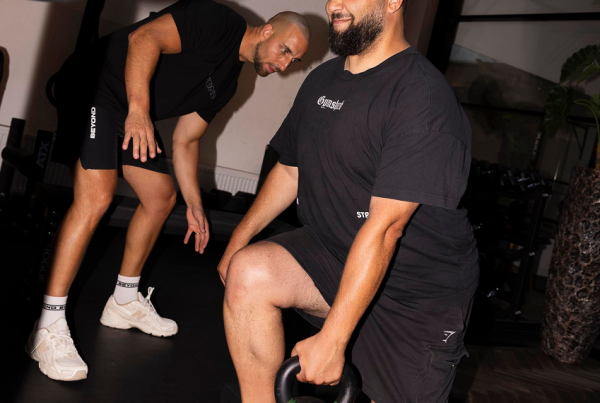
Losing muscle mass after forty is not a myth, but a physiological process that begins in almost everyone. Your body gradually loses muscle mass, muscle strength and muscle quality, a process also known as sarcopenia or age-related muscle decline. Age-related muscle atrophy begins earlier than most people think, but accelerates noticeably after the age of forty. Understanding why this happens is the first step towards slowing it down.
 At What Age Does Muscle Loss Begin?
Age and muscle loss are closely linked. From the age of thirty onwards, muscle mass declines by approximately 1% per year. After forty, muscle breakdown accelerates noticeably, and after sixty, this can increase to 2–3% per year. This may sound modest, but over a period of ten years, it adds up to a substantial loss of muscle mass and functional strength. Muscle mass reduction in adults is therefore one of the biggest risk factors for reduced mobility later in life.
The hormonal causes of muscle loss after forty
One of the most significant factors is the decline in testosterone. This hormone plays a crucial role in muscle protein synthesis, the process through which your body builds new muscle tissue. After the age of forty, testosterone levels in men decline by an average of 1–2% per year. In women, the decline in oestrogen around menopause plays a similar role. Lower levels of these hormones mean reduced muscle tissue production, even if you continue to train.
Anabolic resistance makes it even more challenging
Alongside hormonal changes, anabolic resistance plays a major role in the relationship between muscles and ageing. This term describes the reduced ability of ageing muscles to respond to protein intake. While younger muscles efficiently build muscle protein after a protein-rich meal, muscles become slower and less responsive to the same amount of protein after the age of forty. This means that you need not only sufficient protein intake but also the right timing and distribution throughout the day to limit muscle loss.
Muscle loss after 40 due to inactivity and recovery
Muscle loss after 40 is exacerbated by inactivity. As you get older, daily movement and spontaneous physical activity often decrease. At the same time, your ability to recover declines, meaning you need more time to recover from physical exertion. This can make you feel less inclined to exercise, even though the opposite is necessary. Rest between strength training sessions remains important, but prolonged inactivity is one of the fastest ways to accelerate further muscle atrophy.
Which types of training help preserve muscle mass after 40?
Strength training is the most effective way to combat muscle loss. Resistance training stimulates muscle growth, partly compensates for hormonal decline and improves your muscles' response to protein intake. Two to three sessions per week targeting the major muscle groups are a proven approach to maintaining muscle mass after 40. Progressive overload, gradually increasing the weight or resistance you train with, is essential. Without this stimulus, your body has no reason to adapt, and muscle maintenance becomes more difficult. Read more about strength training at an older age.
The role of protein intake in maintaining muscle
Alongside exercise, protein intake is the most important nutritional factor for preserving muscle after forty. The recommended daily protein intake for active adults over 40 is between 1.6 and 2.2 grams per kilogram of body weight. Divide your protein intake across three to four meals per day to maximise muscle protein synthesis. Effective protein sources include chicken, fish, eggs, cottage cheese and legumes. Insufficient protein intake accelerates muscle breakdown, particularly when combined with a slight calorie deficit.
The long-term consequences of sarcopenia
Sarcopenia, the medical term for age-related muscle loss, can have far-reaching consequences if left unaddressed. Less muscle mass means a lower resting metabolic rate, making you more likely to gain weight. It also increases the risk of falls, fractures and a reduced quality of life. Furthermore, sarcopenia is associated with a higher risk of metabolic syndrome, insulin resistance and cardiovascular disease. It is a process you cannot stop completely, but you can significantly slow it down with the right approach. Personal training for adults over 50 provides a structured foundation for doing so.