

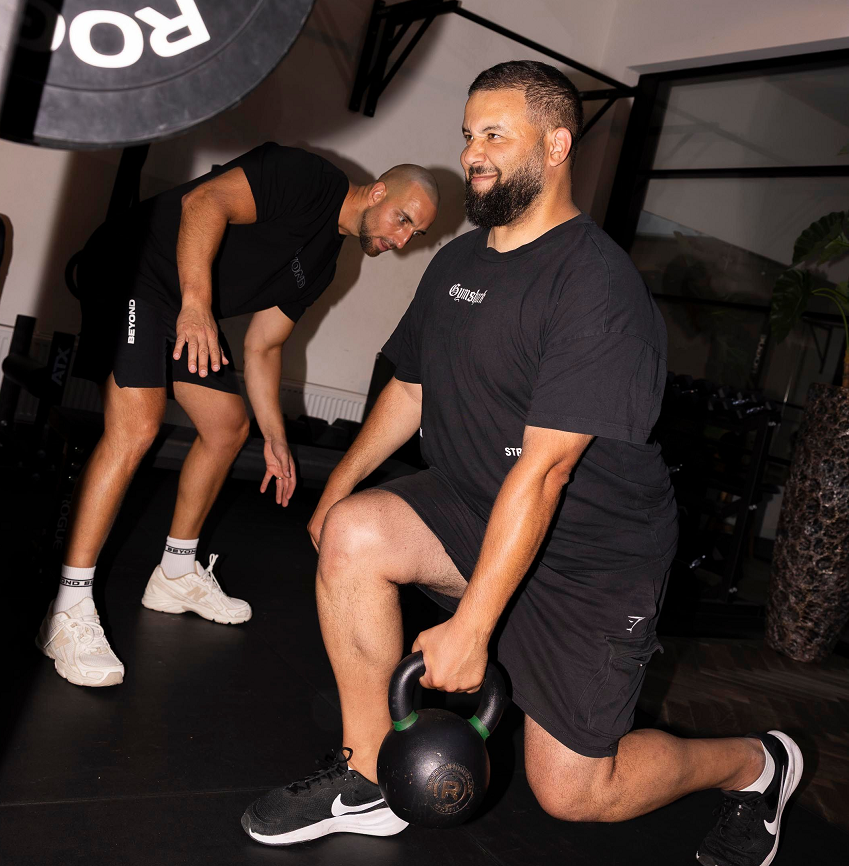
Strength training for back problems is one of the most effective ways to structurally reduce persistent back pain. While many people with lower back pain tend to rest, research consistently shows that movement actually helps. Targeted muscle-strengthening exercises increase your back's load-bearing capacity, improve muscle balance and reduce pressure on the spine. Whether you suffer from chronic lower back pain, back problems caused by sedentary work or persistent pain following a previous injury, exercise therapy for the back offers a sustainable solution.
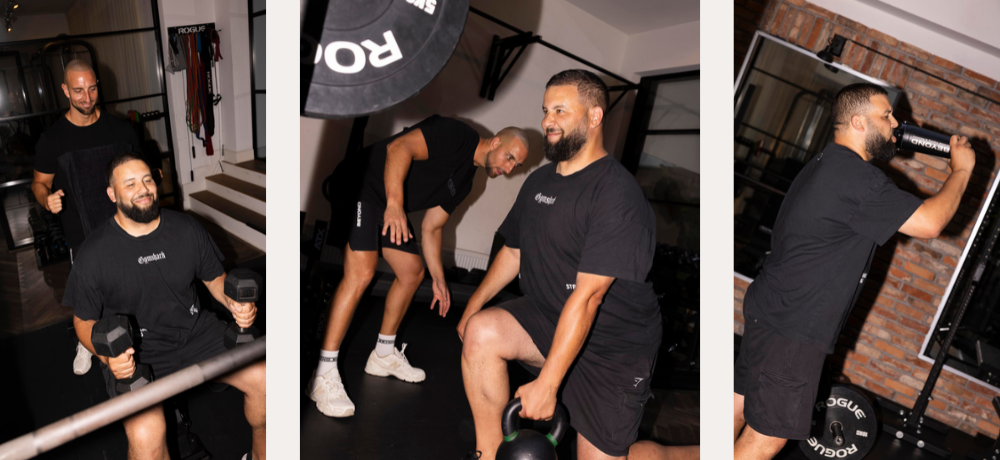
Why resting when you have back pain can be counterproductive
For a long time, it was believed that you should move as little as possible when experiencing back pain. That view has now changed. Prolonged rest leads to muscle loss, reduced blood circulation and a lower load-bearing capacity of the tissues surrounding the spine. It makes your back more vulnerable, not stronger. When treating chronic back problems through movement, the focus is on building strength and stability. Training safely with back pain starts with choosing the right exercises and following a progression that suits your individual situation.
The role of core stability in reducing back pain
Your core muscles form a natural corset around your spine. When these muscles are weak, your back has to compensate excessively during every movement. This increases the load on the intervertebral discs and raises the risk of conditions such as lumbago or a herniated disc. Spinal stability training focuses on activating and strengthening these deep core muscles. Examples include exercises such as the plank, dead bug and bird dog, which help you maintain a neutral spine and engage the correct muscles without compensating.
Back strengthening exercises that really work
Training safely with back pain requires a well-considered approach. Start with light resistance and focus on maintaining good movement quality. Pain during an exercise is a signal to stop or adjust your technique, not to push through it. A movement analysis can help identify where your posture and movement patterns deviate from what is ideal. Based on this analysis, you can create a training programme tailored to your symptoms and fitness level. This allows you to gradually build a stronger back without aggravating your pain. If you suffer from a herniated disc, also read our guide on training safely with a herniated disc.
How to train safely with back pain
Training safely with back pain requires a well-considered approach. Start with light resistance and focus on maintaining good movement quality. Pain during an exercise is a signal to stop or adjust your technique, not to push through it. A movement analysis can help identify where your posture and movement patterns deviate from what is ideal. Based on this analysis, you can create a training programme tailored to your symptoms and fitness level. This allows you to gradually build a stronger back without aggravating your pain. If you suffer from a herniated disc, also read our guide on training safely with a herniated disc.
Strength training for lower back pain in the long term
The benefits of strength training for lower back pain are not limited to immediate results. Over the long term, regular training helps improve bone density, strengthen connective tissues and increase the load-bearing capacity of the intervertebral discs. People who consistently train their back muscles report fewer episodes of pain and faster recovery when symptoms return. On average, it takes four to eight weeks to notice the first significant improvements, provided you train consistently and progressively.
Personal training for back problems: a tailored approach
When dealing with persistent back pain, guidance from a professional is more valuable than a generic training programme. A personal trainer with knowledge of back problems can use a movement analysis to determine which muscle groups are underdeveloped and which movements aggravate your symptoms. At BEYOND Amsterdam, coaches use an intake and fitness assessment to create a programme tailored to your goals and limitations. This allows you to work specifically on your recovery without risking further injury. Read more about the benefits of personal training and how professional guidance can make a difference.
Addressing back problems caused by sedentary work
A large proportion of people with chronic back problems have jobs that involve sitting for long periods. Prolonged sitting increases pressure on the lumbar spine and gradually weakens the core muscles. Strength training two to three times a week helps counteract these effects. By stretching the hip flexors and strengthening the glutes and spinal erectors, you can restore the muscular balance disrupted by sedentary work. Combined with better posture awareness and more daily movement, this provides a comprehensive approach to back problems caused by a sedentary lifestyle.

