

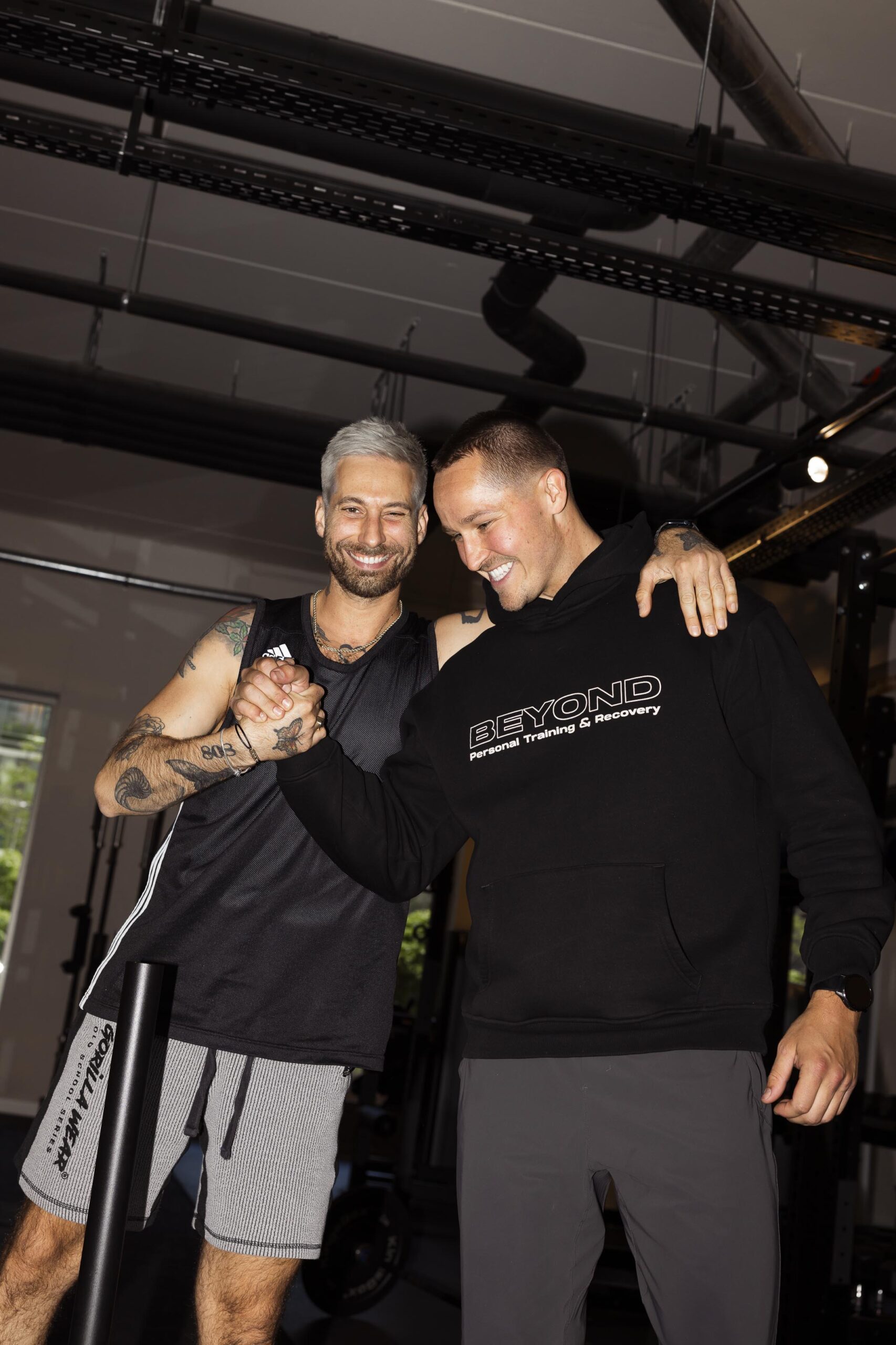
Trainen met een hernia is mogelijk, maar vraagt om een doordachte aanpak. Een discushernia, lage rugpijn of andere wervelkolomklachten betekenen niet dat je stil moet zitten. Bewegen is in veel gevallen juist een onderdeel van herstel. De vraag is niet óf je sport, maar hoe je dat veilig doet zonder je rugletsel te verergeren.
 What happens in your back when you have a herniated disc
A herniated disc occurs when the soft inner core of an intervertebral disc pushes through its outer layer and puts pressure on a nearby nerve. This can cause pain, radiating symptoms or muscle weakness in the leg or arm, depending on the location of the herniation in the spine. Not all back conditions are the same. Neck and back problems can differ significantly in their causes and ability to tolerate physical strain, which determines what type of exercise is appropriate.
Exercising with back pain without causing further damage
The biggest mistake when exercising with back pain is doing too much too soon. Your back needs to be exposed to physical activity to rebuild its capacity, but this must happen gradually. Exercises involving bending, twisting or lifting heavy weights with a rounded back should be avoided temporarily. Instead, focus on movements that maintain a neutral spine and activate the deeper stabilising muscles. Walking, swimming and supervised strength training in a controlled environment are good examples.
Core stability as the foundation of herniated disc exercises
The muscles surrounding your spine and pelvis determine how much physical stress your back can handle. Core stability is not simply about doing abdominal exercises. It involves activating the deep abdominal and back muscles that support and stabilise your spine. Exercises such as dead bugs, bird dogs and controlled hip hinges help strengthen these muscles without placing unnecessary pressure on the intervertebral discs. A coach can determine which variations are safe and appropriate for your situation.
Movement analysis as the starting point for back pain
Before starting a fitness programme with a herniated disc, it is worth having your movement patterns analysed. A movement analysis identifies potential compensations, underactive muscles and how your posture changes under physical load. Based on these findings, a training programme can be developed to suit your individual needs. This helps prevent your back problems from worsening as a result of repeatedly using incorrect movement patterns.
Can personal training help with a herniated disc?
With personal training, you receive guidance from a dedicated coach who monitors your movements and adapts your programme to your individual capabilities. When dealing with back problems, this is not a luxury but a practical necessity. A coach can identify when your technique starts to deteriorate, adjust the intensity and ensure that your training progresses gradually. This allows you to train effectively without placing excessive strain on your back.
Herniated disc rehabilitation and progressive training
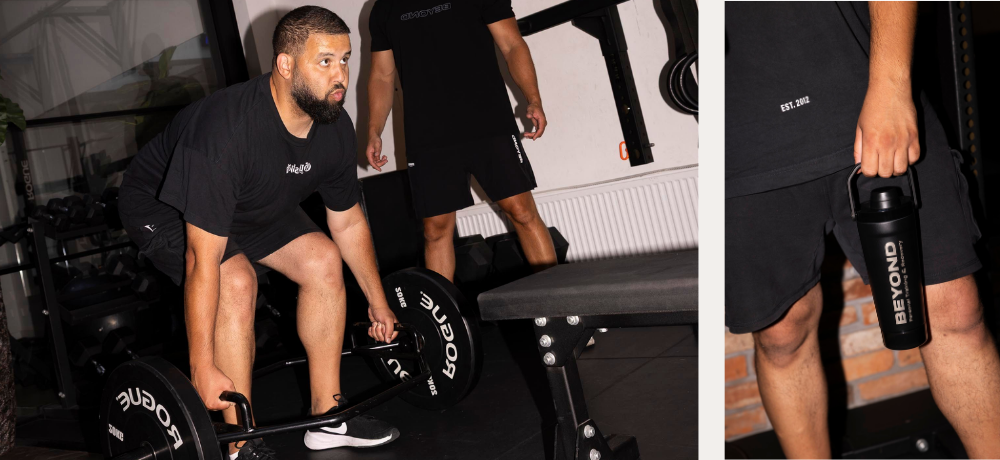
Rehabilitation after a herniated disc follows a structured approach: start with pain-free movements, gradually increase the workload each week and only introduce more complex exercises once you have established a stable foundation. The same applies to strength training with a herniated disc. Squats and deadlifts are not necessarily dangerous, but they require a gradual and technically sound progression before additional weight is introduced. There is no benefit in rushing the rehabilitation process.
What to avoid when experiencing back problems
Heavy rotational movements, high-impact activities such as running on hard surfaces and exercises involving excessive forward bending are generally best avoided during the early stages of recovery. Prolonged sitting can also aggravate back problems, as can repeatedly bending forward with a rounded back. This is why back pain can quickly become worse when spending long periods at a desk. Short, frequent periods of movement throughout the day are often more beneficial than completing one long workout per week.
When can you start exercising again after a herniated disc?
There is no universal timeline for returning to exercise after a herniated disc. The severity of the herniation, the presence of nerve-related symptoms and the rate at which your physical capacity improves all influence the recovery process. Consult your GP or physiotherapist before starting to exercise again. Once the acute pain has subsided and you can perform everyday activities without pain, you may have a suitable starting point for light rehabilitation exercises under professional supervision.


