


Staying fit during pregnancy is one of the best things you can do for yourself and your baby. Pregnancy fitness goes beyond just exercising occasionally. It’s a focused preparation where endurance, strength, and breathing work together to prepare your body for what’s to come. Giving birth is a top sport, and top sports require preparation.
 Why building fitness during your pregnancy is worth it
Your body changes rapidly during pregnancy. Hormones make your joints more flexible, your center of gravity shifts, and your heart pumps more blood around. That sounds heavy, but it also means your body is working harder than usual. Exercise during pregnancy helps you better handle that extra strain. You build endurance that you need immediately during childbirth.
Safe exercise during pregnancy
Exercising during pregnancy is not only safe for most women; it is also recommended. Walking, swimming, cycling on the home trainer and targeted strength exercises are good choices. Intense contact sports or activities with a high risk of falling are better adapted. The rule of thumb is that you should still be able to have a conversation while exercising. If you are unsure, discuss it with your obstetrician or doctor.
Strength training when you are pregnant
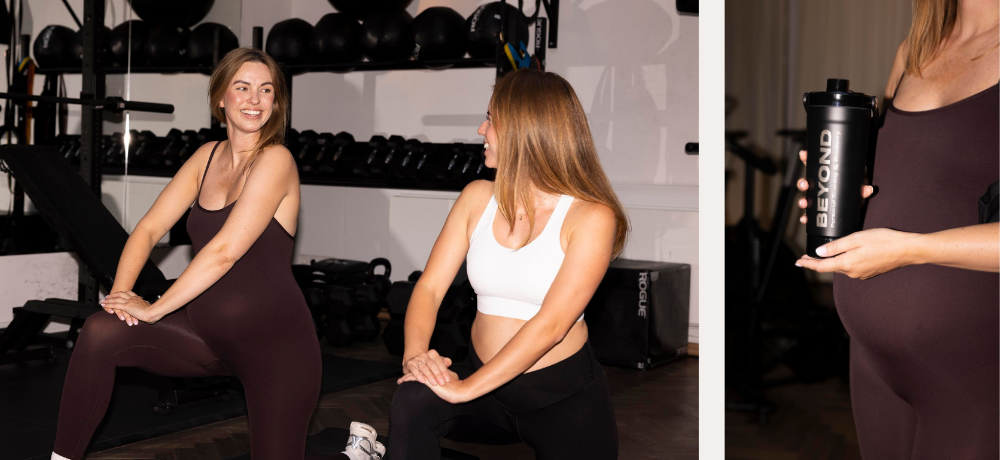
Strength training during pregnancy has an unfairly bad reputation. Provided it is properly supervised, it strengthens your back, legs, and pelvic floor, all muscle groups that are heavily loaded during and after childbirth. Avoid exercises on the back after the first trimester, and adjust the weight as your belly grows. personal trainer during pregnancy This ensures that your technique is correct and that you remain safe while moving.
Pelvic floor training as part of your preparation
The pelvic floor supports the weight of your growing baby and plays a key role during the actual labor itself. Through targeted pelvic floor training, you learn not only to contract these muscles, but also to consciously relax them. The latter is essential during pushing. Women who have trained their pelvic floor usually experience fewer complaints during and after the labor and recover faster.
Breathing as a training tool
Breathing is something you associate with your training from an early age. In strength training, you use your exhalation during exertion; in labor contractions, you use your breathing to send out relaxation. By refining this pattern during your pregnancy training, it is automatically part of the process itself. It is a small component of the preparation for childbirth training that has a major effect on how you experience the labor.
How much exercise per week is good
The Dutch Health Council’s guidelines advise pregnant women to engage in at least 150 minutes of moderate exercise per week. You can easily divide that into three to five sessions. Think of a combination of walking, pregnancy fitness, and targeted strength exercises. You don’t have to be a top athlete to benefit from regularity. Consistency matters more than intensity.
Recovery after childbirth begins now
The investment you make now will pay off after the birth. Women who have a healthy delivery recover more quickly and experience less fatigue and pelvic pain. Postpartum personal training This fits in seamlessly here. But you lay the foundation during pregnancy by exercising smartly and regularly under proper guidance.
Personal guidance during pregnancy training
No two pregnancies are the same. One woman suffers from pelvic instability, the other from fatigue in the first trimester. A personal trainer specializing in pregnancy tailors the program to your situation, your complaints, and your goals. At BEYOND Amsterdam, the coaches use movement analyses and personalized programs to ensure you continue to train responsibly at every stage of your pregnancy.


